
Dr. Hootan Daneshmand
Blepharoplasty Orange County, Bakersfield, Newport & Riverside
Blepharoplasty & Eye Bag Removal With a Board-Certified Plastic Surgeon
Blepharoplasty removes or repositions the excess skin, fat, and tissue that create hooded lids and under-eye bags. Skincare products and tools rarely get rid of eyebags, because the bulge comes from fat that has shifted forward. Eyebags removal surgery treats that tissue directly for a smoother, more rested appearance.
Dr. Hootan Daneshmand performs Orange County blepharoplasty and Bakersfield eyelid surgery as a plastic surgeon certified by the American Board of Plastic Surgery, the gold standard in the specialty. Dr. D guides each patient from consultation through recovery, and real Silhouette patients appear in our eyelid surgery before-and-after gallery.
Board-Certified Plastic Surgeon
Schedule Your Consultation With Dr. Daneshmand
- Consultations Built Around Your Goals
- Certified by the American Board of Plastic Surgery
- Hospital Privileges in Orange County & Kern County
Visit any of our three Silhouette offices
-
Orange County
Foothill Ranch
27462 Portola Pkwy, Foothill Ranch, CA 92610 Call Now -
Orange County
Newport Beach
351 Hospital Rd, Ste. 604, Newport Beach, CA 92663 Call Now -
Kern County
Bakersfield
1801 16th Street, Bakersfield, CA 93301 Call Now
What Is Blepharoplasty?
Blepharoplasty is a cosmetic eyelid surgery that improves tired-looking eyes by treating puffiness, sagging skin, and under-eye bags. As the skin around the eyes loses elasticity, fat that normally supports the eye can shift forward and create bulges. Surgery on the upper lids, lower lids, or both smooths and tightens the area.
Eyelid surgery treats puffy upper and lower lids, excess upper-lid skin that impairs vision, lower lids that droop and show white below the iris, and loose lower-lid skin. Droopy eyelids caused by a weakened lifting muscle, called ptosis, are a separate condition and may call for a different approach to droopy eyelids.
Demand for eyelid surgery is climbing. ASPS reported that eyelid surgery rounded out the top five U.S. cosmetic surgeries in 2025, rising nearly 19% to 118,978 procedures. In the ASPS Western region, which includes California, eyelid surgery grew 16% to 46,071 procedures.

Types of Eyelid Surgery In Orange County & Bakersfield, CA
Dr. Daneshmand offers upper blepharoplasty, lower blepharoplasty, and fat repositioning, performed alone or together. The right combination depends on whether your concern is excess skin, bulging fat, hollowness, or all three, along with your anatomy and goals for the eye area.
Upper Blepharoplasty
Upper blepharoplasty removes excess skin, and sometimes fat, from hooded eyelids. The incision follows the natural fold of the upper lid, so the incision line falls within the crease. Removing the overhang opens the eyes and, when skin sags far enough to block the upper field of vision, can improve sight.
Lower Blepharoplasty & Eye Bag Removal
Lower blepharoplasty is the surgery most patients mean by eye bag removal. Through small incisions just beneath the lower lash line or inside the eyelid, excess fat is removed or redistributed, and loose skin may be trimmed or tightened. Small dissolving stitches then reattach the skin.
The incision inside the lid is called transconjunctival blepharoplasty. It reaches the fat pads without an external skin incision, which suits patients with puffiness but little excess skin. Patients with loose, crepey lower-lid skin generally need the incision below the lashes so skin can be removed as well.
Fat Repositioning & Fat Grafting
Fat repositioning moves bulging lower-lid fat into the tear trough instead of discarding it, smoothing the transition between the lower lid and cheek. For under-eye hollows, Dr. D may also use fat grafting or fat injections to give empty regions beneath the eyes a fuller, more balanced look.
Combining Blepharoplasty With Other Facial Procedures
Many patients have upper and lower eyelid surgery during the same procedure for a balanced result. Blepharoplasty also pairs with an endoscopic brow lift when a low brow pushes skin onto the lid, or a cheek lift when midface descent deepens the under-eye hollow.
Patients with jowls and neck laxity often combine eyelid surgery with a facelift, such as Dr. D’s Vertical Restore facelift, so the eyes match the refreshed lower face. CO2 laser skin resurfacing can then improve the fine lines and texture that surgery does not address.
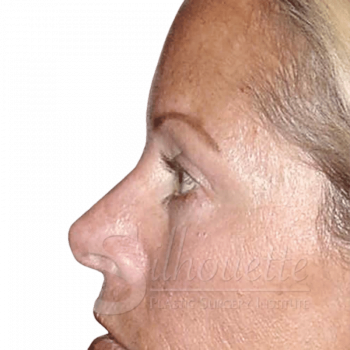
Comparing Blepharoplasty With Other Cosmetic Eye Surgeries
Blepharoplasty changes the eyelid tissue itself, while other eye-area surgeries reposition the brow or reshape the corner of the eye. The right choice depends on where the problem starts. Dr. D determines this during your consultation by examining your brow position, lid skin, fat, and natural eye shape.
Brow Lift vs Blepharoplasty
A brow lift raises a sagging brow, while blepharoplasty removes excess eyelid skin and fat. When a heavy brow pushes skin onto the lid, trimming lid skin alone can leave too little to close the eye comfortably. ASPS notes that surgeons assess whether raising the brow, rather than removing upper lid skin, will put the eyelid back into place.
Patients with both a low brow and hooded lids often benefit from a brow lift combined with conservative upper blepharoplasty. The brow lift restores brow position, and the eyelid surgery removes the remaining excess, which keeps the eyes from looking surprised or over-tightened.
Canthoplasty vs Blepharoplasty
Canthoplasty reshapes the outer corner of the eye, while blepharoplasty removes or repositions eyelid tissue without changing the eye’s shape. Patients who want a lifted, almond outer corner often ask about cat eye surgery or fox eye surgery. Patients who want to look rested while keeping their natural eye shape usually need blepharoplasty.
Who Is a Good Candidate for Blepharoplasty?
A good candidate for blepharoplasty is generally healthy, does not smoke, and has realistic expectations. Ideal candidates have under-eye bags, puffiness, sagging eyelid skin, or excess tissue that affects their appearance or vision. They should also be free of serious eye conditions or medical issues that could interfere with healing.
Middle-aged and older adults most commonly seek eyelid surgery, though younger patients may consider it for genetic under-eye fullness or excess skin. Patients 66 and older were the fastest-growing age group in 2025, and eyelid surgery topped their list of procedures. The goal is a refreshed eye area, not a change to your features.
Insurance Coverage: Upper vs Lower Blepharoplasty
Insurance may cover upper blepharoplasty when excess skin impairs vision, while lower blepharoplasty for eye bags is typically considered cosmetic. ASPS notes that eyelid surgery to eliminate redundant skin covering the eyelashes may be covered, but most health insurance excludes cosmetic surgery and its complications. Review your policy before your consultation.
How Blepharoplasty Is Performed
Blepharoplasty is usually performed as an outpatient procedure, so patients go home the same day. Before surgery, your eyelids are marked while you sit upright, allowing a closer look at the eye bags and precise incision planning. The surgery can be performed under local anesthesia with sedation or under general anesthesia.
Under general anesthesia, you are fully asleep throughout the operation. With local anesthesia, you remain awake, but the eye area is numbed so you do not feel the surgery. Dr. D recommends the approach based on the extent of the work and your health history.
For upper lids, the incision follows the natural crease. For lower lids, it sits just beneath the lash line or inside the eyelid. Excess fat is removed or redistributed, loose skin is trimmed, and small dissolving stitches reattach the skin. The procedure can be completed in as little as two hours.
How to Prepare for Eyelid Surgery
Preparing for blepharoplasty starts with stopping tobacco. Patients should stop smoking and avoid tobacco products before and after surgery, since nicotine can increase the risk of complications and slow healing. Dr. D may also ask you to avoid blood-thinning medications or supplements that raise bleeding risk.
Plan time away from work and social activities, and arrange for a trusted person to drive you home and help with early aftercare. Other steps include washing your hair the day before, avoiding alcohol for at least 48 hours, getting a full night’s rest, and wearing loose, comfortable clothing on surgery day.
Complete your patient intake forms before surgery and list every allergy, medication, supplement, and vitamin you take. Certain substances increase the risk of complications or reactions, so a complete medical history helps Dr. D build a safer treatment plan.
Blepharoplasty Recovery
Blepharoplasty recovery is usually managed at home with cold compresses, lubricating ointment, and rest. Most patients return home the same day and resume work within a few days, though strenuous activity should wait about two weeks. Following Dr. D’s aftercare instructions closely supports healing and the best possible result.

Recovery Timeline
Eyelid surgery recovery begins with temporary swelling, bruising, dryness, light sensitivity, and mild discomfort. Vision may be blurry for the first day or so because of swelling and ointment. Cold compresses, keeping your head elevated, and pain medication approved by Dr. D help control swelling and soreness.
Most bruising and swelling improve within 10 to 14 days, though minor signs of healing may continue for several weeks. Non-dissolvable stitches, if used, are typically removed within the first week. Protect the eye area from sun exposure while the incisions heal.
How Long Blepharoplasty Results Last
Blepharoplasty results are long-lasting, especially on the lower lids, where patients seldom need retouching. Upper eyelid results also last for years, though the skin and brow continue to age naturally. Sun protection, consistent skincare, and maintenance treatments such as Botox® help preserve a refreshed look.
Risks & Safety of Eyelid Surgery
Blepharoplasty risks are uncommon but include excessive bleeding, infection, difficulty with wound healing, cysts near the incision or suture sites, temporary or permanent numbness, and skin discoloration. Dr. D reviews each risk during your consultation so you can make an informed decision about eyelid surgery.
Eyelid surgery side effects specific to the eye include double vision or other vision changes, dry eye, upper eyelid drooping, excessive removal of muscle or tissue, and loss of fat beneath the eye. ABPS certification requires accredited medical school, at least five years of surgical residency including two in plastic surgery, and written and oral exams.
Blepharoplasty Cost in Orange County & Bakersfield
Blepharoplasty cost depends on whether you treat the upper lids, lower lids, or both, along with surgeon experience, facility location, anesthesia, and operating room fees. ASPS’s latest fee data lists surgeon fees of $3,000 to $5,500 for upper blepharoplasty and $3,709 to $6,500 for lower blepharoplasty.
Those figures represent only the surgeon’s fee, not the full eyelid surgery cost. Total costs can also include hospital or facility charges, anesthesia, prescriptions, and medical tests. Eye bag removal cost also changes when combined with other procedures, so your consultation includes a detailed breakdown based on your treatment plan.
Non-Surgical Blepharoplasty: Alternatives for Eye Bags and Hooded Lids
Non-surgical treatments can refresh the eye area for patients with mild to moderate signs of aging, or for those avoiding anesthesia, cost, or recovery time. They cannot remove bulging fat or excess skin the way blepharoplasty does, but they improve lines, hollowness, and skin quality around the eyes.
Botox® for crow’s feet relaxes the muscles that crease the outer eyes, and Botox under the eyes can soften fine lines. Dermal fillers such as Juvederm® can reduce under-eye hollowness, while Sculptra® stimulates collagen to restore volume gradually.
RF microneedling combines tiny micro-injuries with radiofrequency energy to stimulate collagen and elastin production, tightening and smoothing skin around the eyes. Platelet-rich plasma therapy, often paired with microneedling, uses the patient’s own plasma to support skin healing and collagen production.
Laser skin resurfacing improves wrinkles, sun damage, and texture by renewing the skin’s surface. Plasma fibroblast therapy targets mildly loose eyelid skin without incisions. Dr. D can recommend which treatment, or combination, fits your concerns and timeline.

Blepharoplasty Before-and-After
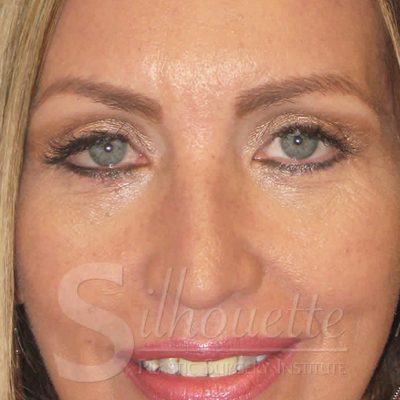
Blepharoplasty before-and-after photos show how eyelid surgery changes real patients’ eyes, from hooded upper lids to lower-lid bags. Our eyelid surgery results gallery features Silhouette patients treated by Dr. Daneshmand. Individual results vary based on anatomy, skin quality, and healing.
Patients describe their experience with Dr. D and the Silhouette team in our patient testimonials. Reviewing both resources helps you set realistic expectations and bring specific questions, including photos of results you like, to your consultation.
Schedule A Blepharoplasty in Orange County, Newport Beach, or Bakersfield
Schedule a blepharoplasty consultation at any of Silhouette’s three offices. In Orange County, Dr. Daneshmand sees patients at 27462 Portola Pkwy, Foothill Ranch, CA 92610, and 351 Hospital Rd, Ste. 604, Newport Beach, CA 92663. He holds privileges at Hoag Presbyterian Hospital, Saddleback Memorial Hospital, and Coastal Communities Hospital.
In Kern County, the Bakersfield office is located at 1801 16th Street, Bakersfield, CA 93301. Bakersfield patients benefit from Dr. D’s privileges at Memorial Hospital, San Joaquin Hospital, and Mercy Hospital, along with his general surgery training at Kern Medical Center.
Patients traveling from Riverside County can schedule at either Orange County office. Request your eyelid surgery consultation online.